




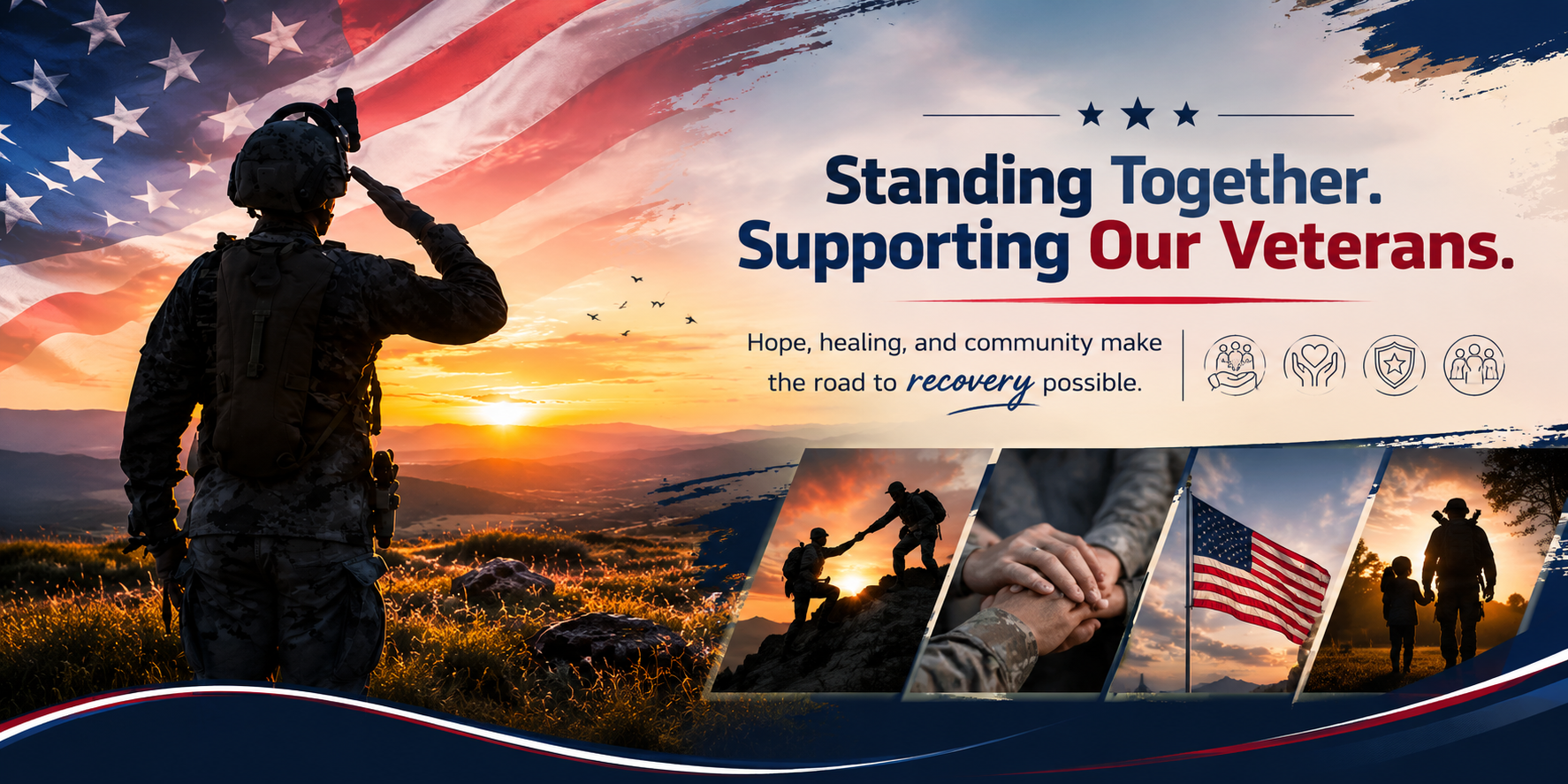
Leaving military service can be a major adjustment. Veterans may have to adapt to civilian routines while also carrying experiences from their time in service. For some, that includes living with post-traumatic stress disorder (PTSD), anxiety, sleep difficulties, challenges finding employment, or changes in relationships with family and friends.
These challenges rarely affect the veteran alone. Spouses, children, and other loved ones may also struggle to understand changes in behavior, communication, or daily life.
Having access to people who understand these experiences can make a meaningful difference. In Houston, Camp Hope, a program of the PTSD Foundation of America, provides veterans struggling with combat-related PTSD with residential support, peer mentorship, counseling, and resources to help them work toward recovery and a more stable future.
Just as importantly, these services are provided to veterans at no cost, helping remove a major barrier for veterans who need support.
The Challenges Many Veterans Face After Military Service
The transition from military life to civilian life is different for every veteran. Military service often provides structure, clearly defined responsibilities, teamwork, and a strong sense of belonging. Returning to civilian life can feel very different, particularly for those who have spent years in a military environment or experienced combat.
For some veterans, the effects of those experiences continue long after they return home. PTSD and other trauma-related challenges can affect work, social activities, family responsibilities, sleep, relationships, and everyday situations that others may take for granted.
Families can experience these effects as well. Spouses may struggle to understand changes in behavior or communication, while children can be affected by stress or changes within the household.
Recovery, therefore, isn’t always an individual journey. Having a strong network of peers, family members, counselors, mentors, and community resources can help veterans and their loved ones move forward together.
What is Camp Hope and the PTSD Foundation of America?
Camp Hope is a program of the PTSD Foundation of America located in Houston, Texas. Established in 2012, Camp Hope provides interim housing and a structured recovery program for veterans struggling with combat-related PTSD.
Unlike a short-term retreat, Camp Hope’s residential program generally lasts six to nine months, giving veterans time to participate in a comprehensive recovery program.
Camp Hope uses a veteran-centered, faith-based, recovery-oriented approach. Its services include peer-to-peer mentoring, professional counseling, VA resource navigation, workforce preparation, substance-use-disorder support, behavioral support, pastoral care, and other resources designed to help veterans prepare for life beyond the program.
The goal isn’t simply to help a veteran through one difficult period. It is to help participants develop the skills, relationships, confidence, and resources they need to continue moving forward after leaving Camp Hope.
The PTSD Foundation of America also recognizes the important role families can play in recovery and provides support and resources designed to help veterans’ loved ones better understand PTSD and the recovery process.
How Camp Hope Supports Veterans on Their Recovery Journey
One of the most important parts of Camp Hope is peer support.
Veterans have an opportunity to spend time with people who have also served and who may understand experiences that can be difficult to explain to someone without a military background. That shared understanding can help reduce isolation, build trust, and make asking for help easier.
Camp Hope’s recovery program incorporates several forms of support, including:
- Peer-to-peer support: Veterans connect with other veterans who understand many of the challenges associated with military service, combat experiences, and transitioning back into civilian life.
- Mentorship: Mentors provide guidance, accountability, and encouragement throughout the recovery process.
- Professional counseling: Veterans have access to counseling and support as they address PTSD, trauma, relationships, and other challenges.
- VA navigation assistance: Participants can receive help identifying and navigating resources and benefits available through the Department of Veterans Affairs.
- Life skills development: Veterans work on practical skills that can help with responsibilities, relationships, employment, and everyday life.
- Workforce preparation: Employment preparation helps veterans develop a plan for returning to work and becoming more independent.
- Faith and pastoral support: Camp Hope’s program includes a faith-based component and pastoral support as part of its overall recovery approach.
- Building confidence and purpose: Veterans are encouraged to develop a stronger sense of direction and confidence as they prepare for the next stage of their lives.
Support also continues as veterans prepare to leave the program. Aftercare planning can address important areas such as stable housing, employment, continued care, and community support.
Strengthening Families Through Veteran Support Programs
A veteran’s recovery can affect the entire household.
Spouses and children may need help understanding PTSD, changes in behavior, communication challenges, and the difficulties that can accompany returning to civilian life.
Family support and education can help improve communication and give loved ones a better understanding of what a veteran may be experiencing. It can also help family members learn how to provide healthy support without feeling as though they have to carry the entire burden themselves.
The PTSD Foundation of America’s family-focused resources help extend the support system beyond the veteran and recognize an important reality: when a veteran is struggling, the family may need support too.
Helping families communicate, understand PTSD, and develop healthier ways of responding to stress can create a stronger foundation for life after a veteran completes a recovery program.
The Positive Impact Camp Hope Has on the Houston Community
Camp Hope’s work extends beyond the veterans who participate in its programs.
Its presence in Houston gives residents, volunteers, businesses, churches, organizations, and skilled professionals an opportunity to support veterans who have served our country.
Community involvement can take many forms. People can volunteer their time, donate needed supplies, sponsor meals, contribute financially, provide professional services, or simply help raise awareness about the resources available to veterans.
These contributions help create a larger network of support around veterans and their families.
The Houston community also benefits when veterans have access to resources that help them find stability, strengthen relationships, prepare for employment, and reconnect with their communities.
How Local Businesses and Community Partners Can Make a Difference
Supporting veterans doesn’t always require an organization to write a large check. Sometimes, the most meaningful contribution a business can make is simply using the skills, equipment, people, or services it already has to meet a need.
That is exactly how Cornerstone Commercial Services was able to help.
Cornerstone Commercial Services recently had the privilege of donating professional kitchen exhaust and hood vent cleaning services to Camp Hope’s Houston facility. For our team, the project was about more than cleaning. It was an opportunity to use the work we do every day to support an organization serving veterans right here in our Houston community.
A clean, safe, and well-maintained facility matters, particularly when that facility is a place where veterans are living, working, building relationships, and focusing on recovery.
We were honored to contribute our time and professional services so Camp Hope could continue focusing its resources and attention on its mission and the veterans it serves.
Our contribution represents just one example of what local businesses can do.
A restaurant might sponsor a meal. A contractor may be able to donate repairs. A supplier might provide needed materials. A professional services company may be able to contribute its expertise. Other businesses may choose to volunteer, make a financial contribution, or encourage employees and customers to become involved.
When businesses look at what they already do well and ask, “How can we use this to help?”, even an everyday service can have a meaningful impact.
Building a Stronger Community for Veterans and Their Families
Veterans should not have to carry the weight of their service alone.
Support can come from many places: fellow veterans, families, nonprofit organizations, counselors, volunteers, community organizations, and local businesses willing to contribute their time, skills, resources, or financial support.
Camp Hope demonstrates what can happen when those resources come together around veterans who need them.
For Cornerstone Commercial Services, being able to contribute to Camp Hope was an opportunity to support people who have served our country while giving back to the Houston community that supports our business.
We hope sharing Camp Hope’s mission encourages other individuals and businesses to find their own way to get involved.
Want to Help Camp Hope?
Camp Hope and the PTSD Foundation of America rely on donors, volunteers, businesses, and community partners to help continue providing services to veterans at no cost to them.
There are several ways to help, including financial donations, volunteering, sponsoring meals, donating needed items, providing professional services, and supporting other needs of Camp Hope and the PTSD Foundation of America.
If you would like to support their mission, learn more about volunteering, or make a donation, please visit the PTSD Foundation of America directly.
Donations are made directly to the PTSD Foundation of America. Cornerstone Commercial Services does not collect or process these donations.

Comments are closed