





Staying Compliant Starts with Staying Consistent
Keeping a commercial kitchen up to code is not something that happens once before an inspection. It comes from consistent cleaning, regular maintenance, and paying attention to the areas that are easy to overlook during busy shifts.
In fast-moving kitchens, grease, smoke, food residue, and moisture build up quickly. When those problems are ignored, they can affect sanitation, ventilation, fire safety, and overall kitchen performance. Even a well-run restaurant can run into compliance issues if cleaning routines are inconsistent or important areas are skipped.
That is why many restaurants and food service facilities rely on professional commercial kitchen cleaning services in Houston to help maintain a safer and cleaner environment throughout the year.
Here are five practical ways to help keep your commercial kitchen inspection-ready and operating at a higher standard.
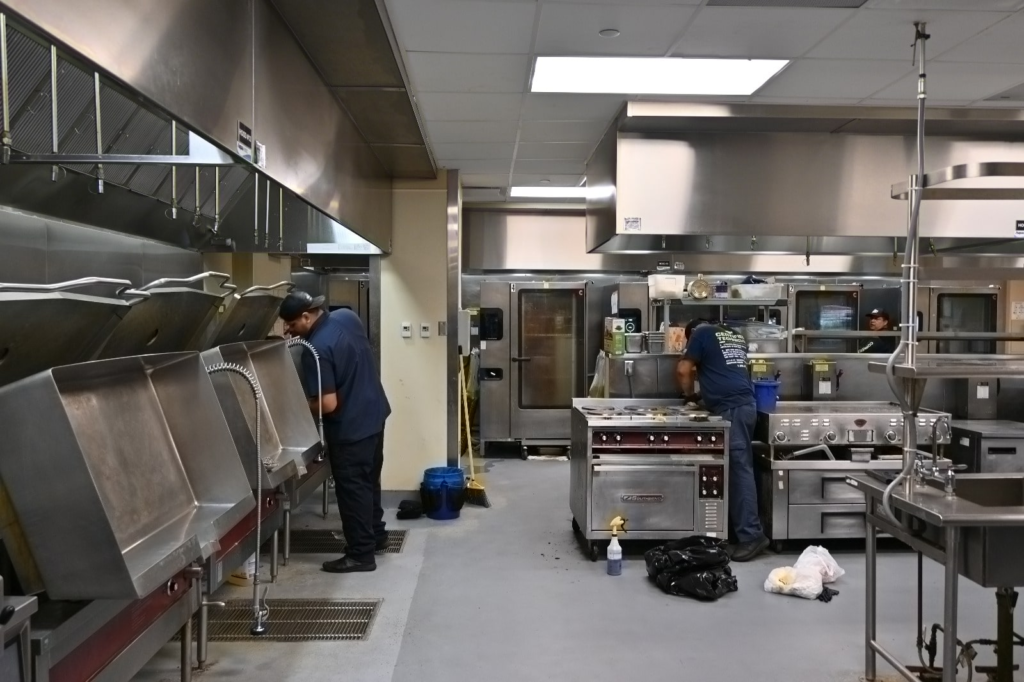
1. Do Not Let Grease Build Up Over Time
Grease is one of the biggest problems in any commercial kitchen because it spreads far beyond cooking surfaces. It collects around equipment, inside vents, on walls, under appliances, and across hard-to-reach areas that are not always cleaned during daily cleaning routines.
The longer the grease sits, the harder it becomes to remove. It can also create slippery surfaces, unpleasant odors, and increased fire risks inside the kitchen.
Daily wipe-downs are important, but they are usually not enough on their own. Deep cleaning should be scheduled regularly to remove buildup before it becomes a larger issue.
Restaurants that stay ahead of grease accumulation often find it easier to maintain cleaner kitchens overall and avoid unnecessary problems during inspections.
2. Keep Your Exhaust System Properly Cleaned
One of the most important parts of kitchen maintenance is the exhaust system. Hood systems work constantly to remove heat, smoke, grease, and airborne particles from the cooking area.
Over time, grease collects inside the hood, ducts, and exhaust fans. If this buildup is ignored, airflow becomes less efficient, and the risk of fire increases significantly.
Routine commercial kitchen exhaust cleaning in Houston helps remove hidden grease from the system and keeps ventilation working properly. It also helps create a more comfortable environment for kitchen staff during long shifts.
For busy restaurants, restaurant kitchen exhaust cleaning in Houston should never be treated as an occasional task. Keeping the exhaust system clean is one of the most important steps in maintaining a safe and code-compliant kitchen.
3. Pay Attention to the Areas Staff Usually Miss
Most kitchens focus heavily on visible surfaces during daily cleaning, which makes sense during busy operations. However, inspections often reveal problems in areas that are cleaned less frequently.
This includes:
- Floors behind the cooking equipment
- Walls near fryers and grills
- Storage corners
- Ceiling vents
- Drains and under-sink areas
- Equipment sides and base areas
These spaces collect grease, moisture, dust, and food particles over time. Once the buildup starts, it can affect sanitation and make the entire kitchen feel harder to maintain.
Breaking cleaning tasks into smaller zones can help teams stay more organized and consistent. Instead of trying to tackle everything at once, staff can focus on specific sections of the kitchen throughout the week.
4. Schedule Professional Deep Cleaning Before Problems Start
Many kitchen issues develop slowly, which is why they often go unnoticed until inspections or maintenance problems happen.
Professional deep cleaning helps address areas that daily staff cleaning cannot fully manage. This includes heavy grease removal, detailed equipment cleaning, floor scrubbing, exhaust cleaning, and sanitizing difficult-to-reach spaces.
For high-volume kitchens, regular professional service can make a major difference in overall cleanliness and operational safety.
Commercial kitchen cleaning services in Houston are especially valuable for restaurants that operate long hours or handle large amounts of cooking throughout the day. Consistent deep cleaning not only improves appearance but also helps protect equipment and maintain healthier working conditions.
5. Treat Kitchen Maintenance as Part of Daily Operations
The kitchens that stay cleaner long-term are usually the ones that make maintenance part of the routine instead of waiting until problems become visible.
Simple habits make a difference:
- Checking grease-prone areas regularly
- Cleaning spills immediately
- Monitoring exhaust buildup
- Keeping cleaning schedules organized
- Addressing small issues before they grow
When teams stay proactive, inspections become far less stressful because the kitchen is already being maintained at a higher standard.
Consistency is what separates kitchens that constantly struggle with cleaning issues from those that stay organized, safer, and easier to manage throughout the year.
A Cleaner Kitchen Supports Safer and Smoother Operations
Keeping a commercial kitchen up to code is not only about passing inspections. It also helps create a safer workplace, improves efficiency, protects equipment, and supports a better experience for both staff and customers.
From grease control to restaurant kitchen exhaust cleaning in Houston, every part of kitchen maintenance plays a role in keeping operations running smoothly.
When professional cleaning becomes part of the long-term maintenance plan, kitchens become easier to manage, safer to operate, and better prepared for daily demands.
If your restaurant or facility needs dependable commercial kitchen cleaning services in Houston, Cornerstone Commercial Services provides professional deep cleaning and exhaust cleaning solutions designed to help commercial kitchens stay cleaner, safer, and inspection-ready year-round.

Comments are closed