


Restaurant kitchen inspections are designed to identify fire hazards, sanitation concerns, and ventilation problems before they become serious risks. A properly maintained hood system plays a major role in protecting employees, customers, and the building itself. Even minor issues can lead to violations if they affect safety or system performance. Understanding what inspectors check helps restaurant owners prepare for inspections and avoid costly repairs or penalties related to commercial hood vent cleaning.
What Do Inspectors Look for in a Commercial Kitchen Hood System?
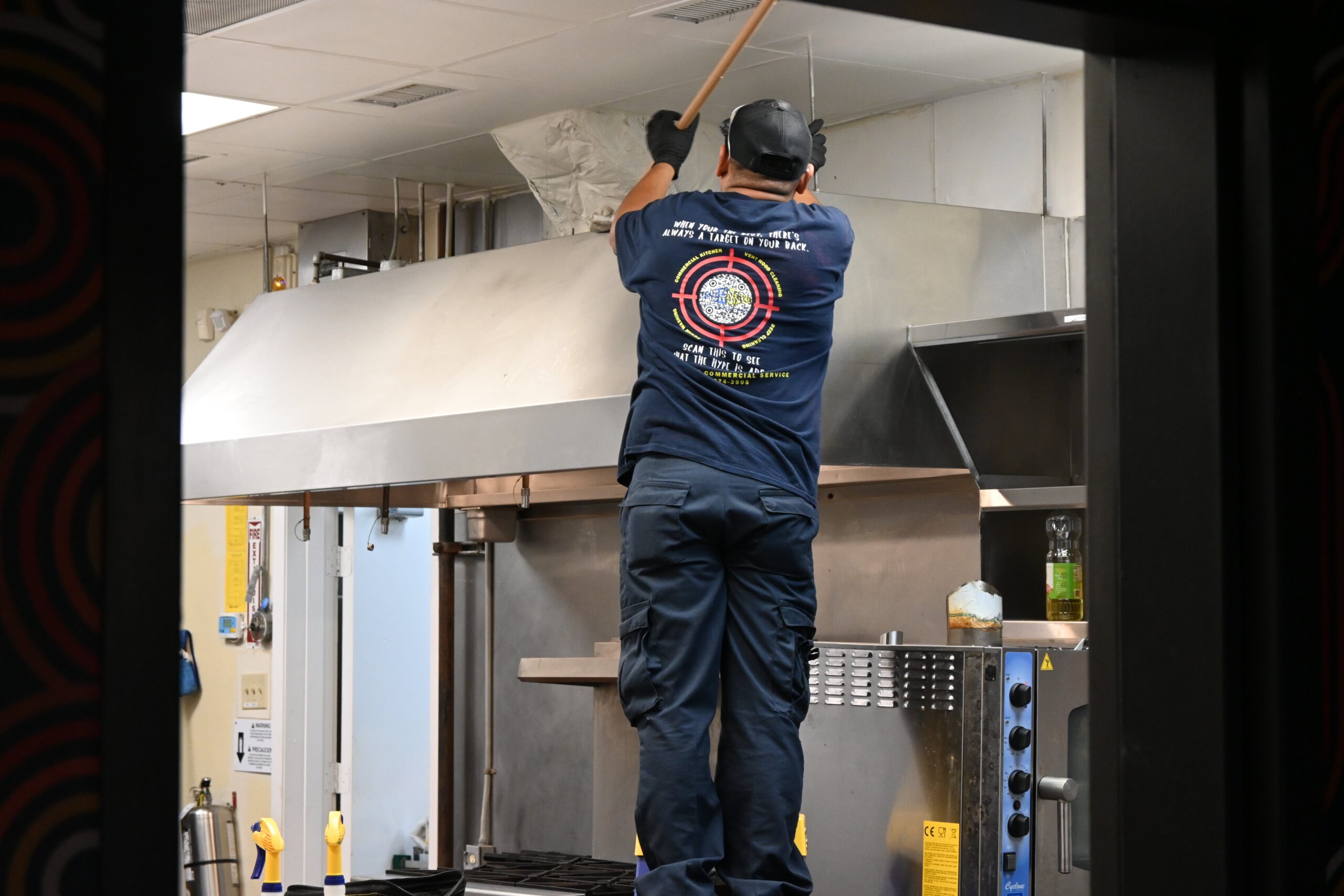
During an inspection, professionals evaluate every component of the exhaust system to ensure it operates safely and complies with fire and health regulations. For businesses with a commercial hood vent in Houston, inspectors typically focus on:
- Grease buildup inside the hood canopy
- Cleanliness of ductwork and exhaust fans
- Proper airflow and ventilation performance
- Condition of hood filters
- Fire suppression system accessibility
- Signs of damaged or loose components
- Compliance with local safety codes
- Evidence of regular maintenance and cleaning
Any issue that reduces ventilation efficiency or increases fire risk may require immediate correction.
What Are the Most Common Hood System Violations?
Many inspection failures happen because routine maintenance has been delayed. Restaurants that schedule commercial hood vent cleaning in Houston regularly are less likely to encounter these common violations:
- Excessive grease accumulation
- Dirty or clogged filters
- Damaged duct connections
- Non-functioning exhaust fans
- Obstructed airflow
- Fire suppression systems blocked by grease
- Missing maintenance records
- Poorly maintained fan belts or motors
Most of these issues develop gradually, making routine inspections and cleaning essential.
How Often Should Restaurant Hood Systems Be Inspected?
Inspection frequency depends on cooking volume and the type of food prepared. High-volume restaurants that produce significant grease generally require more frequent inspections than facilities with lighter cooking operations.
Industry guidelines often recommend inspections every three to six months for many commercial kitchens, although some operations may require monthly service. Scheduling commercial hood vent cleaning alongside regular inspections helps keep the entire exhaust system operating safely while reducing the risk of unexpected violations.
Why Does Grease Buildup Fail Inspections?
Grease is highly flammable, making excessive accumulation one of the biggest concerns during inspections. Layers of grease inside the hood, ducts, or exhaust fan can quickly fuel a kitchen fire if exposed to high temperatures.
Restaurants that delay commercial hood vent cleaning in Houston often experience restricted airflow, unpleasant odors, and increased strain on ventilation equipment. Inspectors view heavy grease deposits as both a fire hazard and a maintenance issue, which commonly leads to inspection failures.
Can Damaged Hood Filters Affect Kitchen Safety?
Yes. Hood filters capture grease particles before they enter the duct system. When filters become bent, clogged, or damaged, grease travels deeper into the exhaust system, increasing fire risk and reducing ventilation efficiency.
Routine commercial hood vent cleaning includes inspecting filters for damage, cleaning reusable filters, and recommending replacements when necessary. Properly functioning filters improve airflow, reduce grease accumulation, and help maintain a safer cooking environment.
What Happens if a Restaurant Fails a Hood Inspection?
Failing a hood inspection can result in corrective action requirements, follow-up inspections, operational delays, fines, or temporary restrictions until violations are resolved. Serious fire hazards may require immediate repairs before the kitchen is allowed to continue operating.
Restaurants with a commercial hood vent in Houston can reduce these risks by addressing maintenance concerns promptly, keeping cleaning records available, and resolving identified issues before the next scheduled inspection.
Keep Your Kitchen Inspection Ready with Cornerstone Commercial Services
Regular hood system maintenance helps reduce fire hazards, improve ventilation, and support successful kitchen inspections. Cornerstone Commercial Services provides professional hood cleaning solutions that help restaurants maintain safer, cleaner, and inspection-ready commercial kitchens. Contact our team today to schedule your next service and keep your exhaust system performing at its best.
What Do Inspectors Look for in a Commercial Kitchen Hood System?
During an inspection, professionals evaluate every component of the exhaust system to ensure it operates safely and complies with fire and health regulations. For businesses with a commercial hood vent in Houston, inspectors typically focus on:
- Grease buildup inside the hood canopy
- Cleanliness of ductwork and exhaust fans
- Proper airflow and ventilation performance
- Condition of hood filters
- Fire suppression system accessibility
- Signs of damaged or loose components
- Compliance with local safety codes
- Evidence of regular maintenance and cleaning
Any issue that reduces ventilation efficiency or increases fire risk may require immediate correction.
What Are the Most Common Hood System Violations?
Many inspection failures happen because routine maintenance has been delayed. Restaurants that schedule commercial hood vent cleaning in Houston regularly are less likely to encounter these common violations:
- Excessive grease accumulation
- Dirty or clogged filters
- Damaged duct connections
- Non-functioning exhaust fans
- Obstructed airflow
- Fire suppression systems blocked by grease
- Missing maintenance records
- Poorly maintained fan belts or motors
Most of these issues develop gradually, making routine inspections and cleaning essential.
How Often Should Restaurant Hood Systems Be Inspected?
Inspection frequency depends on cooking volume and the type of food prepared. High-volume restaurants that produce significant grease generally require more frequent inspections than facilities with lighter cooking operations.
Industry guidelines often recommend inspections every three to six months for many commercial kitchens, although some operations may require monthly service. Scheduling commercial hood vent cleaning alongside regular inspections helps keep the entire exhaust system operating safely while reducing the risk of unexpected violations.
Why Does Grease Buildup Fail Inspections?
Grease is highly flammable, making excessive accumulation one of the biggest concerns during inspections. Layers of grease inside the hood, ducts, or exhaust fan can quickly fuel a kitchen fire if exposed to high temperatures.
Restaurants that delay commercial hood vent cleaning in Houston often experience restricted airflow, unpleasant odors, and increased strain on ventilation equipment. Inspectors view heavy grease deposits as both a fire hazard and a maintenance issue, which commonly leads to inspection failures.
Can Damaged Hood Filters Affect Kitchen Safety?
Yes. Hood filters capture grease particles before they enter the duct system. When filters become bent, clogged, or damaged, grease travels deeper into the exhaust system, increasing fire risk and reducing ventilation efficiency.
Routine commercial hood vent cleaning includes inspecting filters for damage, cleaning reusable filters, and recommending replacements when necessary. Properly functioning filters improve airflow, reduce grease accumulation, and help maintain a safer cooking environment.
What Happens if a Restaurant Fails a Hood Inspection?
Failing a hood inspection can result in corrective action requirements, follow-up inspections, operational delays, fines, or temporary restrictions until violations are resolved. Serious fire hazards may require immediate repairs before the kitchen is allowed to continue operating.
Restaurants with a commercial hood vent in Houston can reduce these risks by addressing maintenance concerns promptly, keeping cleaning records available, and resolving identified issues before the next scheduled inspection.
Keep Your Kitchen Inspection Ready with Cornerstone Commercial Services
Regular hood system maintenance helps reduce fire hazards, improve ventilation, and support successful kitchen inspections. Cornerstone Commercial Services provides professional hood cleaning solutions that help restaurants maintain safer, cleaner, and inspection-ready commercial kitchens. Contact our team today to schedule your next service and keep your exhaust system performing at its best.

Comments are closed