



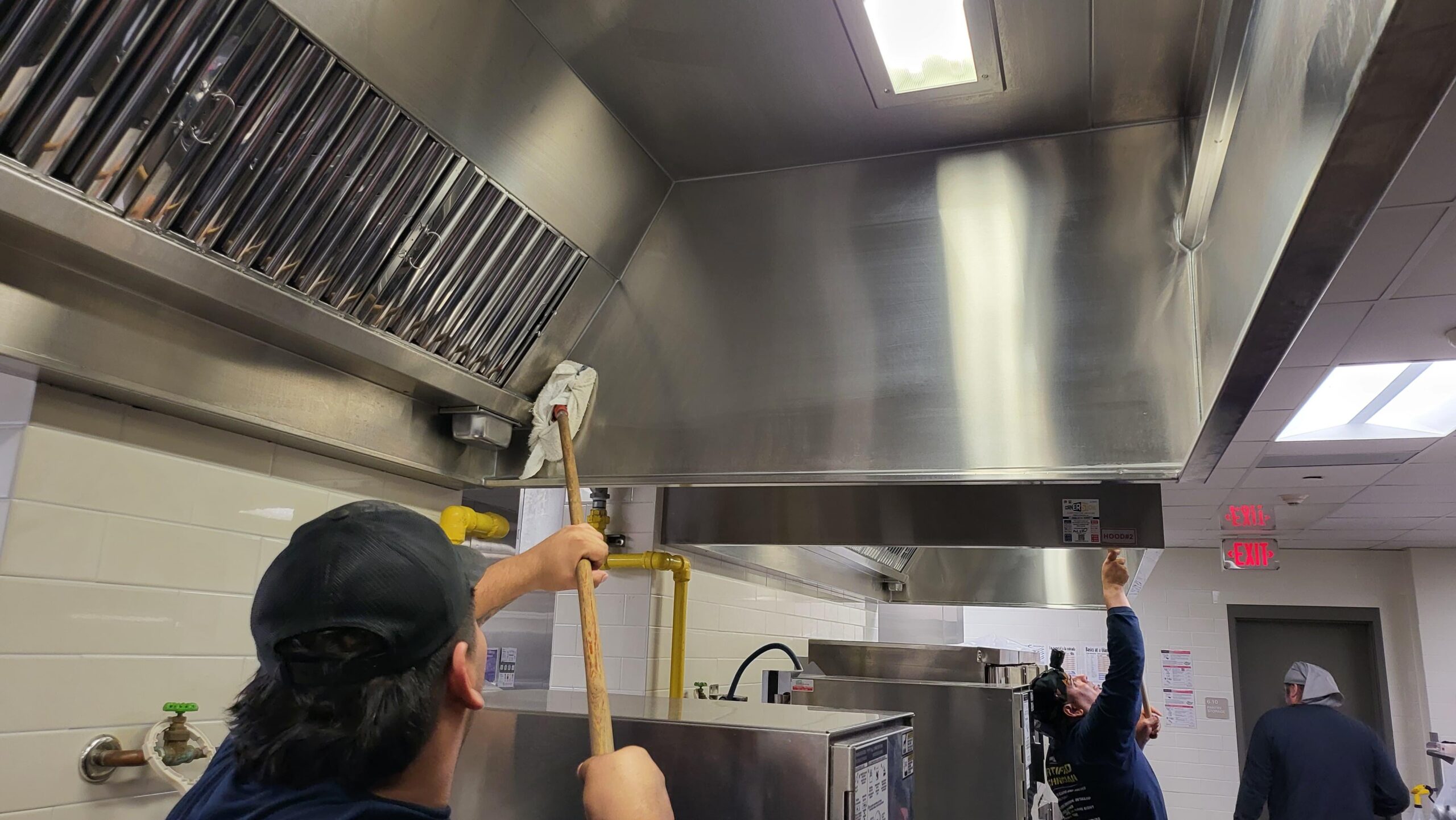
Cornerstone Commercial Services provides expert commercial hood vent Houston cleaning solutions designed for safer, cleaner kitchen operations. Most restaurant owners do not think much about their hood system until something starts going wrong.
The kitchen gets hotter than usual. Smoke starts lingering in the air. Staff complain about odors. Grease appears in places it normally does not. At first, those problems seem small. But over time, they often point to one issue: the hood vent system is no longer working efficiently.
That is why Commercial Hood Vent Cleaning has become such an important part of maintaining a safe and productive commercial kitchen. A properly functioning hood system helps remove heat, grease, smoke, and cooking residue before they start affecting the kitchen environment itself. When the system struggles, the entire kitchen feels the difference.
1. Smoke Takes Longer to Clear During Cooking
One of the first signs of a struggling hood system is poor airflow.
In a properly functioning kitchen, smoke and heat should move upward and clear quickly during cooking. When smoke starts hanging around longer than normal, the ventilation system may already be restricted by grease buildup or blocked airflow.
This becomes especially noticeable during:
- Frying
- Grilling
- Searing
- High-volume cooking hours
A kitchen filled with lingering smoke is not only uncomfortable for staff. It also signals that the ventilation system is no longer removing air efficiently. That problem usually gets worse over time if ignored.
2. Grease Buildup Appears Around the Hood Area
Visible grease around the hood system is another major warning sign. Small grease buildup may seem normal at first, but excessive residue around filters, vents, walls, or nearby surfaces often means the system is no longer properly capturing grease particles during cooking operations.
That buildup can eventually affect:
- Kitchen cleanliness
- Air quality
- Equipment performance
- Fire safety conditions
One of the biggest mistakes restaurants make is only cleaning visible surfaces while hidden grease continues building deeper inside the ventilation system. Professional Commercial Hood Vent Cleaning Houston services help remove buildup throughout the entire system instead of only addressing what staff can easily see.
3. The Kitchen Smells Greasy Even After Cleaning
Persistent odors usually point toward ventilation problems. If the kitchen still smells heavy, smoky, or greasy after regular cleaning, the exhaust system may already contain trapped residue inside ducts, vents, and internal components. Over time, those odors continue circulating throughout the kitchen every time the system runs. This affects more than comfort alone.
Employees notice it. Customers sometimes notice it near dining areas. The kitchen environment starts feeling less fresh overall, even when surfaces appear clean. That is why commercial hood vent maintenance in Houston becomes so important for restaurants operating long hours every day.
4. The Kitchen Feels Hotter Than It Used To
Ventilation systems help regulate heat as much as smoke. When hood systems become clogged or inefficient, heat removal slows down significantly. Kitchens start feeling warmer, heavier, and less comfortable during peak operating hours.
Staff often notice:
- More heat near cooking stations
- Poor airflow around equipment
- Increased discomfort during busy shifts
- Longer cooling times after service
That added heat creates more strain throughout the workspace and can eventually affect productivity during high-volume operations. A clean ventilation system helps the kitchen environment feel more manageable for everyone working inside it.
5. Inspection or Safety Concerns Keep Coming Up
Many restaurant owners only prioritize hood cleaning once inspection concerns appear. Unfortunately, waiting until then often means the buildup has already become significant.
Commercial kitchens naturally produce grease every day. Without regular deep cleaning, that buildup eventually creates larger operational and safety concerns inside the exhaust system itself.
Routine Commercial Hood Vent Cleaning helps restaurants:
- Maintain cleaner systems
- Improve airflow
- Reduce grease accumulation
- Support inspection readiness
- Lower fire-related risks
Preventive maintenance is almost always easier and less stressful than reacting after major problems develop.
Why Professional Hood Cleaning Matters?
Commercial kitchens operate under constant pressure. There are already enough responsibilities involving staffing, inventory, food preparation, customer service, and daily operations. Ventilation problems only add more stress when they begin affecting the kitchen environment itself. That is why many Houston restaurants rely on professional cleaning specialists instead of trying to manage deep hood system cleaning internally.
Cornerstone Commercial Services stands out because of its kitchen-focused expertise, more than 15 years of experience, and hassle-free approach designed specifically for busy commercial environments. Their team understands how restaurant kitchens operate and how important it is to complete the work thoroughly while minimizing disruptions to the business itself.
Small Warning Signs Usually Become Bigger Problems Later
Most hood system issues start small. A little more smoke. Slightly heavier odors. Minor grease buildup. Slightly weaker airflow. But those warning signs rarely stay small for long. The longer the buildup remains inside the system, the harder the ventilation system must work during daily operations.
That is why regular Commercial Hood Vent Cleaning Houston businesses trust continues to become one of the smartest long-term maintenance decisions for commercial kitchens.
For restaurants that want cleaner airflow, safer kitchen conditions, and a more efficient work environment, Cornerstone Commercial Services provides professional hood vent cleaning solutions built specifically for demanding commercial kitchen operations.

Comments are closed