



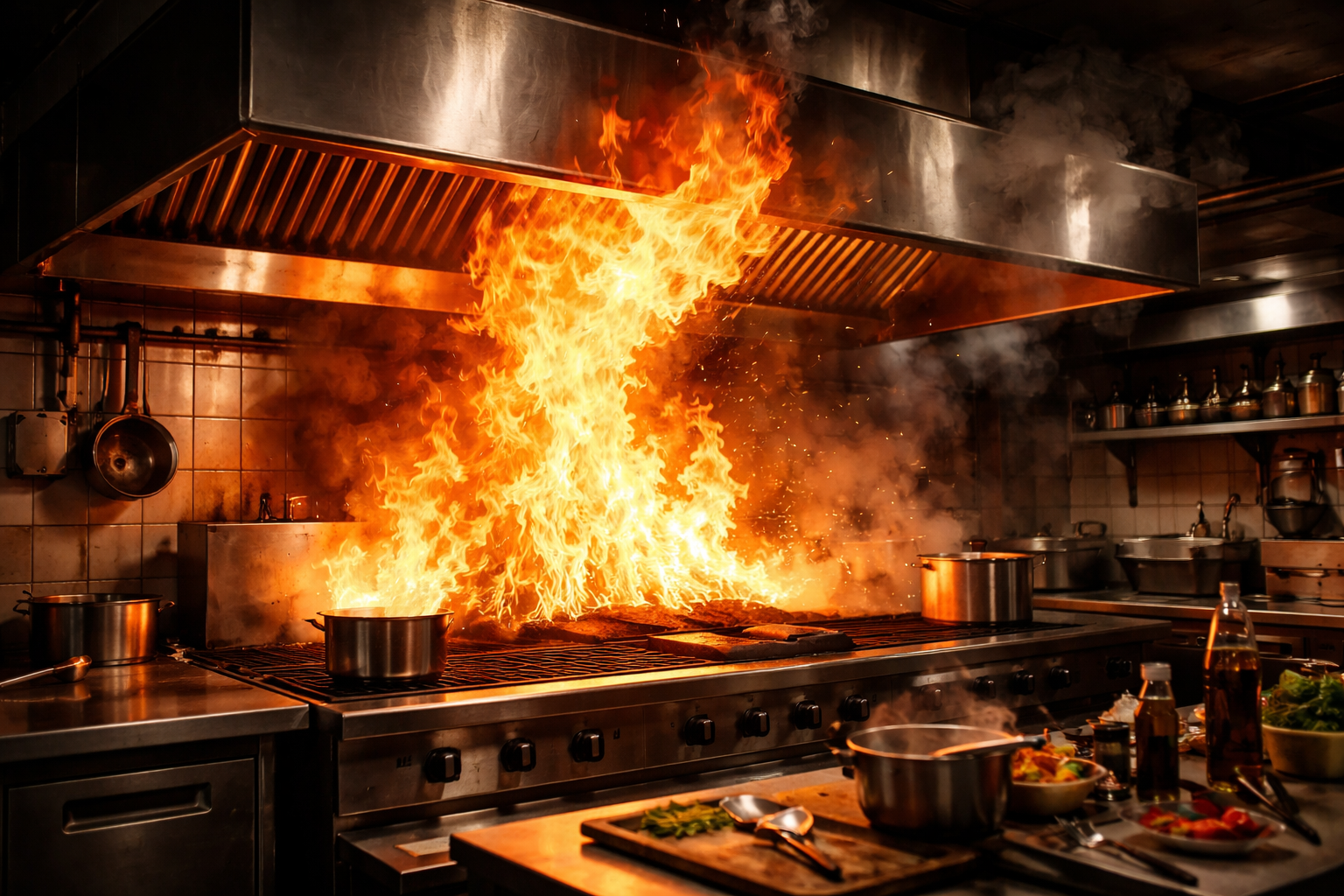
Restaurant kitchens operate under constant pressure. High heat equipment, open flames, grease laden vapors, and long operating hours create an environment where fire risk is always present. While many restaurant owners assume fires are rare or caused only by major mistakes, industry data and fire reports show otherwise. Kitchen fires occur frequently, and many begin during routine service, not after hours or during extreme situations. Most restaurant fires share one thing in common. They are preventable.
Why Commercial Kitchens Face Higher Fire Risk
Commercial kitchens are designed for speed and volume. Grills, fryers, ranges, and ovens generate intense heat throughout the day. As food cooks, grease particles rise into the hood system and travel through ducts and exhaust fans.
Over time, this grease accumulates. When airflow systems are not properly cleaned, that buildup becomes fuel. A small flare-up, overheating appliance, or equipment malfunction can ignite grease deposits inside the hood or ductwork. Once fire enters the ventilation system, it spreads quickly and becomes harder to control.
Grease Buildup Is the Leading Cause of Restaurant Fires
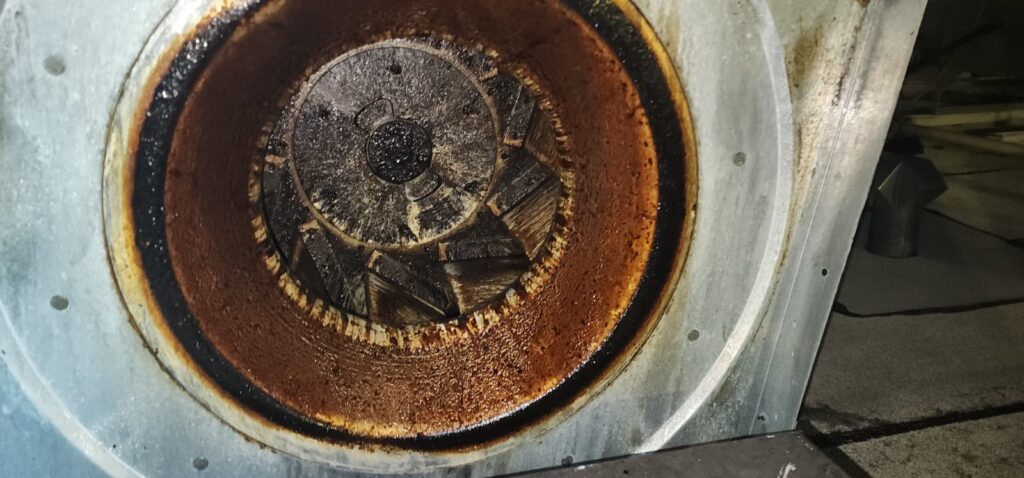
Grease is one of the most flammable substances found in commercial kitchens. It does not need an accident to ignite. Normal cooking activity can trigger a fire if grease buildup is present.
Filters and hood surfaces may appear clean, but hidden areas often tell a different story. Grease collects inside ducts, behind filters, and near exhaust fans where staff cleaning cannot safely reach. This is why surface wiping alone does not reduce fire risk.
Routine Commercial Hood Vent Cleaning removes grease before it becomes a hazard, making it one of the most effective fire-prevention measures for restaurants.
Hood and Vent Systems Are Commonly Overlooked
Many restaurant operators focus on visible cleanliness to meet inspection standards and improve customer perception. However, fire inspectors and insurance investigators look beyond what can be seen.
Ventilation systems are designed to safely remove heat and grease from the kitchen. When grease coats internal surfaces, airflow is restricted and heat builds up. This combination increases ignition risk and reduces the effectiveness of fire suppression systems.
Restaurants operating in high-demand areas such as commercial hood vent in Houston, markets often run equipment longer hours, making consistent vent maintenance even more critical.
Fire Suppression Systems Do Not Prevent All Fires
Fire suppression systems play an important role, but they are not a substitute for proper maintenance. These systems respond after a fire starts. They do not stop grease from accumulating or eliminate ignition sources.
If a hood system is heavily coated with grease, suppression systems may struggle to contain flames already spreading through ducts. Clean ventilation allows these systems to work correctly if activation becomes necessary.
Prevention always offers more protection than response alone.
The Impact of a Restaurant Fire Goes Beyond Damage
A kitchen fire affects more than equipment and walls. Even a small incident can result in temporary closures, lost revenue, employee displacement, and reputation damage. In some cases, insurance claims are delayed or denied due to missing maintenance records.
Fire code violations and failed inspections following an incident can increase penalties and long term costs. For many restaurants, the financial impact of downtime exceeds the cost of proper preventive maintenance.
Fire Codes and Insurance Requirements Matter
Local fire codes and insurance policies often require documented hood cleaning schedules based on cooking volume and equipment type. Failure to comply can lead to citations or coverage issues.
Professional Commercial Hood Vent Cleaning Houston services provide detailed documentation that supports compliance and protects restaurants during inspections or claims reviews.
Why Professional Hood Cleaning Makes a Difference
Professional hood cleaning reaches the areas that pose the greatest risk. This includes internal ductwork, exhaust fans, and system components that staff cannot clean safely.
Working with experienced providers such as Cornerstone Commercial Services ensures your kitchen ventilation system is cleaned thoroughly, meets fire safety standards, and stays compliant with local regulations.
Their team understands the demands of commercial kitchens and delivers reliable service designed to reduce fire risk and protect operations.
Conclusion
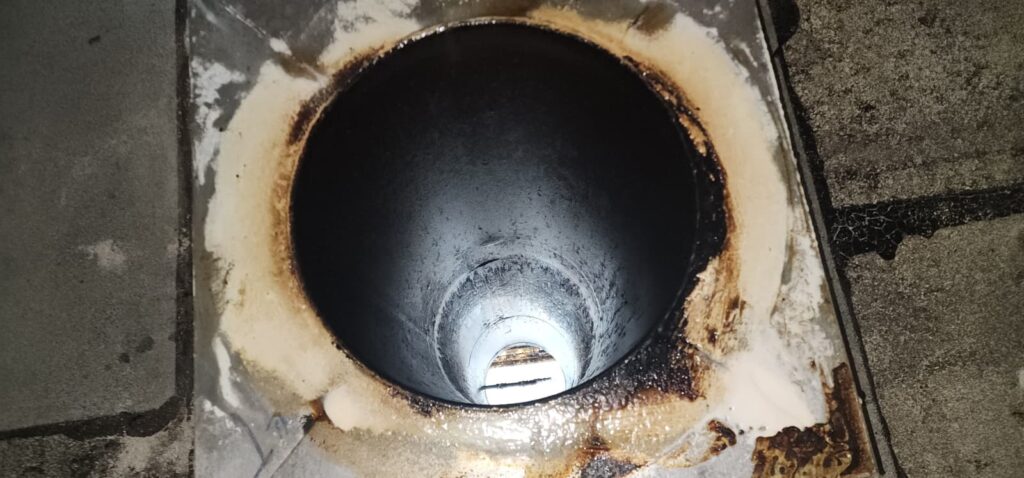
Restaurant fires happen more often than many owners expect, but most are preventable. Grease buildup, neglected ventilation systems, and inconsistent maintenance are leading contributors. Addressing these risks early protects people, property, and business continuity.
For restaurants looking to reduce fire risk and maintain safer kitchens, professional hood cleaning is not optional. It is a critical part of responsible operation. Cornerstone Commercial Services provides dependable solutions for Commercial Hood Vent Cleaning, helping restaurants maintain compliance, improve safety, and operate with confidence year-round.

Comments are closed