


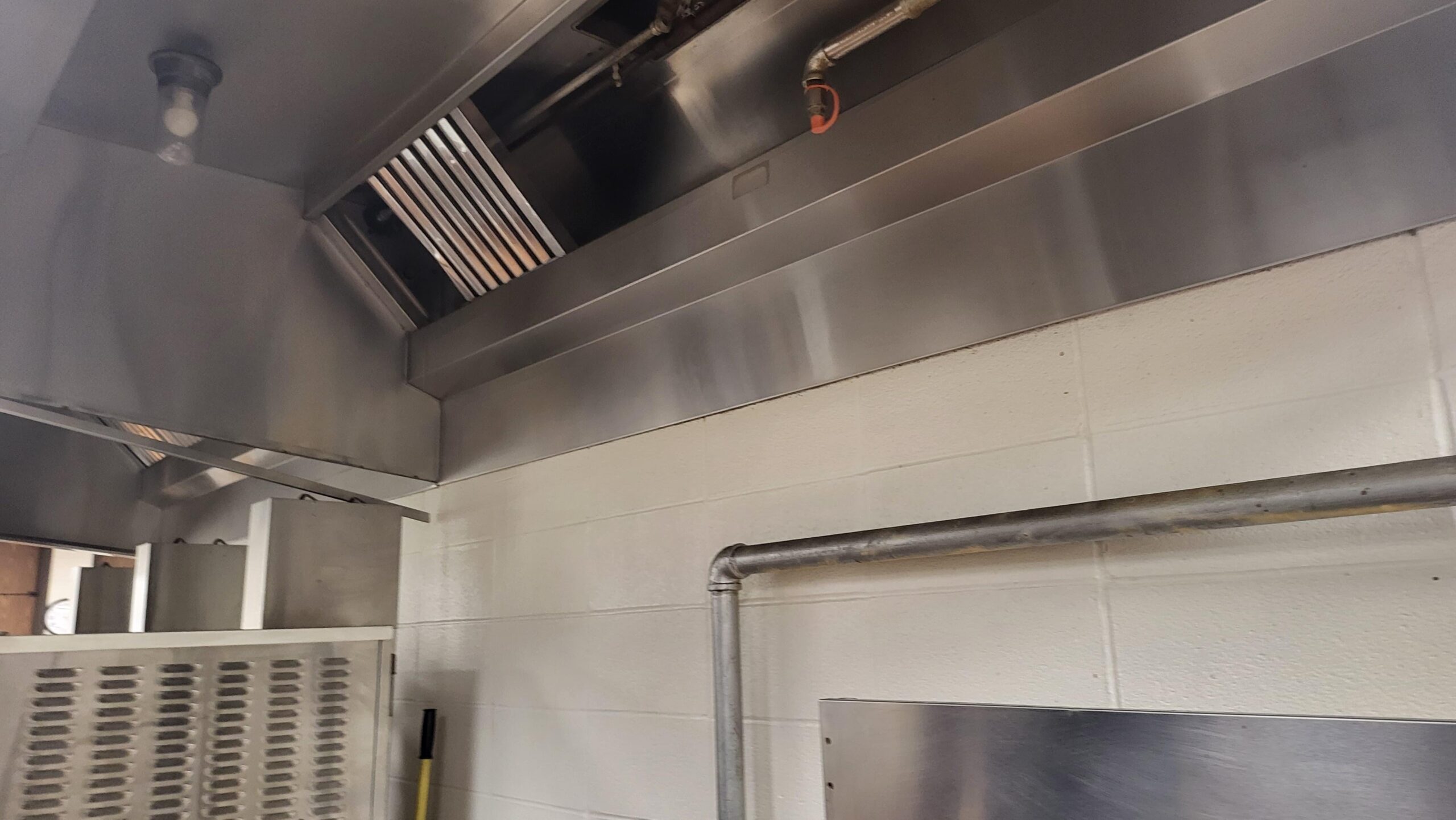
A sparkling clean commercial kitchen hood is not just about looks. It is one of the most important safety features in any restaurant. It plays a huge role in fire prevention, keeping the air clean, and staying on the right side of health codes.
Every day, as you are cooking, grease-filled vapors rise up and start sticking to the filters, ducts, and exhaust fans. Over time, that greasy buildup turns into a major fire risk if it is not dealt with properly.
That is why knowing how often your commercial kitchen hood cleaning is so important. Whether you are running a high-volume restaurant or a smaller seasonal operation, sticking to the right cleaning schedule helps you avoid expensive repairs and sudden breakdowns, and keeps your kitchen running smoothly.
It is not just about compliance. It is about protecting your staff and your business.
Commercial Kitchen Hood Cleaning Frequency Explained
Cleaning frequency depends on how much you cook and what fuel you use. Some kitchens need service every month, while others only require it once a year. Clear warning signs that it’s time include grease dripping from the filters, weak airflow, lingering smoke, or strong odors in the kitchen.
Commercial kitchens generate much more grease than residential ones. Because of this, they need stricter maintenance and regular professional inspections to prevent dangerous buildup. Routine cleaning improves ventilation and protects expensive equipment from wearing out early. Scheduling commercial hood vent cleaning in College Station before grease builds up heavily keeps your system safe and maintains good airflow throughout the kitchen.
Understanding NFPA 96 Inspection and Cleaning Codes
Grease buildup inside kitchen exhaust systems is a major cause of restaurant fires. To help prevent these incidents, the National Fire Protection Association created NFPA 96. This standard lays out clear guidelines for ventilation control and fire protection in commercial kitchens.
NFPA 96 sets inspection schedules based on how intense the cooking is:
- Monthly for solid-fuel operations like wood or charcoal ovens
- Quarterly for high-volume kitchens such as 24-hour diners and restaurants that do a lot of charbroiling
- Semiannually for typical restaurants and hotel kitchens with moderate cooking
- Annually for low-volume places like churches, seasonal kitchens, or small cafeterias
If an inspection shows too much grease buildup, the entire exhaust system has to be cleaned – including the hood, ducts, filters, and rooftop fan. A lot of restaurant owners combine this service with commercial kitchen cleaning in College Station to keep both their ventilation system and food prep areas clean and fully up to code.
Step 1: Preparation and Protective Measures
Professional hood cleaning always starts with good preparation to protect the rest of the kitchen. Technicians begin by shutting down the exhaust system and waiting until all cooking equipment has cooled down completely.
Because the job involves high-pressure hot water and strong degreasing chemicals, the team covers fryers, grills, and ranges with heavy-duty plastic sheets. This helps catch all the dirty wastewater and directs it straight into collection containers, so grease doesn’t spread across the floors or other appliances. Many facilities schedule this work together with commercial cleaning services in College Station to keep the entire kitchen and workspace clean and well maintained.
Step 2: Filter and Component Degreasing
Once the kitchen is fully protected, the technicians pull out the hood filters, grease trays, and spacers. These pieces catch most of the grease from daily cooking, so they usually end up covered in thick, stubborn, hardened buildup.
They drop the filters into heated soak tanks filled with strong degreasing solution. While the filters are soaking, the crew gets to work on the plenum area right behind them. Clearing out that hidden grease buildup really improves airflow and lets the whole exhaust system run a lot more efficiently. Doing this kind of regular maintenance prevents the fan from working too hard and helps keep your energy bills lower over time.
Step 3: Deep Cleaning the Ductwork and Rooftop Fan
The most critical part of the whole hood cleaning process happens inside the duct system and the rooftop exhaust fan. These spots can collect heavy grease deposits that you’d never notice from down in the kitchen.
Technicians go up onto the roof to clean the fan blades, fan housing, and all the surrounding ventilation parts. They use high-pressure hot water to thoroughly scrub both the vertical and horizontal ducts until the metal looks clean and shiny again. This step removes one of the biggest hidden fire hazards in commercial kitchens. Quite often, they’ll also clean the exterior surfaces and rooftop grease buildup with commercial power washing in College Station to make sure the entire ventilation pathway stays clear and safe.
Step 4: Hand-Scrubbing and Interior Detailing
After the ductwork is clean, the technicians head back to the interior hood canopy for a good thorough scrub. They grab special tools to get into all the seams, corners, and tight spots where grease tends to hide and build up.
This last step gives you several important benefits:
- It stops bacteria from growing by getting rid of organic grease residue
- It improves airflow by clearing out the grease that blocks the way
- It cuts down wear on the motors and fans
- It keeps the kitchen looking clean and professional during health inspections
A nice, polished hood canopy not only looks great but also proves that the kitchen stays on top of its maintenance routines.
Step 5: Final Testing and Certification
Once the cleaning is finished, technicians put all the parts back in place and test the ventilation system. They check that the airflow and suction are working properly before turning everything back on for normal use.
They then place a certification sticker right on the hood. It shows the date of the cleaning and when the next service is due. Fire inspectors and insurance companies often look for this sticker as proof that the kitchen meets NFPA 96 rules.
Schedule Your Professional Commercial Kitchen Hood Cleaning Today
Keeping your commercial kitchen hoods cleaning is one of the best ways to protect your staff, customers, and business. Regular inspections and professional cleaning help cut down fire risks, improve air quality, and make your expensive ventilation equipment last longer.
Cornerstone Commercial Services has over years of experience working with commercial kitchens in the area. Our team takes care to clean every hood, duct, and fan to the highest safety and compliance standards.
Is your kitchen due for its next inspection? Give Cornerstone Commercial Services a call today to schedule professional hood cleaning and keep your kitchen running safely and smoothly.

Comments are closed