


Exhaust systems are out of sight but never out of consequence. When kitchens sideline kitchen exhaust cleaning, the problems pile up slowly at first and then all at once. This is not just an operations issue. It is a risk to people, a risk to equipment, and a risk to your bottom line.
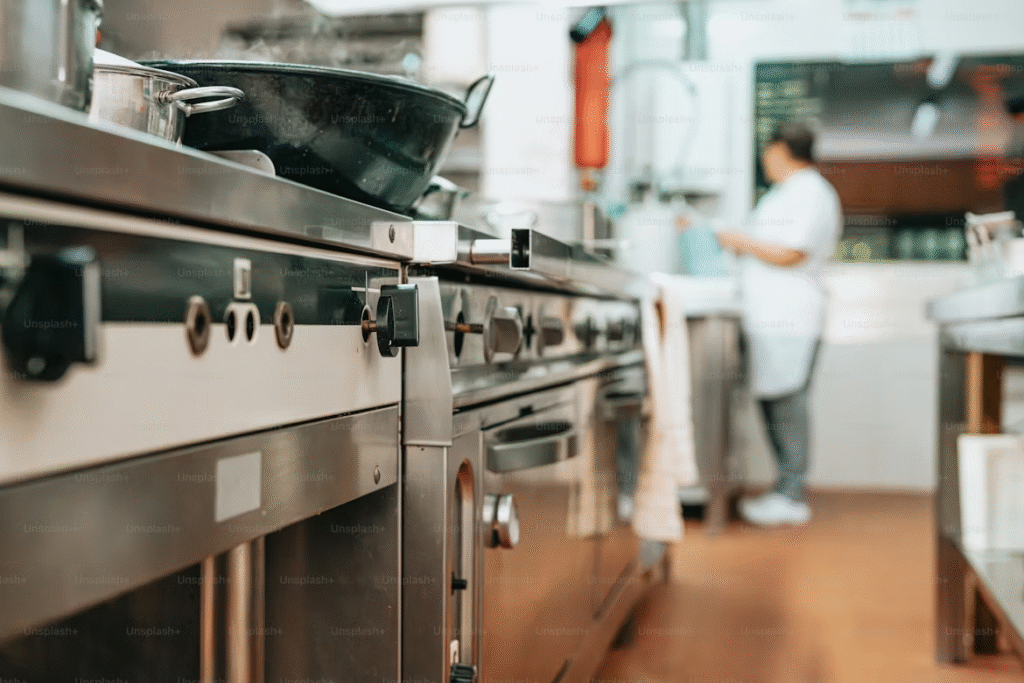
Fire hazards from built-up grease
Grease is highly combustible. When grease and debris build inside hoods, ducts, and fans, they create a volatile fuel source that can ignite from a stray spark or overheated equipment. Commercial kitchen exhaust cleaning puts an end to all dangerous build-up and minimizes the chances of the tiniest flare-up turning into a fire that would put a stop to operations and endanger lives.
Health and safety code violations
Cleanliness must be documented, which is the expectation and often verifiable outcomes. In most cases, failure to maintain exhaust systems often shows up during blocked grease trays, inundated filters, or unreachable deposits in the duct. Dirty kitchen exhaust cleaning can mean fines, limitations of operation, and, at times, absolute closure of a restaurant until standards are met and verified.
Higher energy bills and equipment damage
Regular cleanings are important not only from a legal standpoint. Dirty exhausts and clogged fans force the ventilation equipment to strain, which in turn increases consumption, stressing the motors and the belts. A deep clean in the commercial kitchen prevents this waste by bringing back airflow and eliminating the runtime. The following list describes the predictable costs of delaying the service.
- The increase in energy consumption is because fans and blowers must work harder due to grease-coated surfaces.
- Excessive heat and mechanical strain will result in premature equipment failure.
- More frequent repairs due to their own costly emergency service calls.
- Reduced performance of the ventilation system: longer running time for cooking equipment.
Business reputation at risk
Before a citation occurs, customers can detect signals of neglect. Lingering odors, smoky dining rooms, or grease visible from exterior vents tear down trust and erode repeat business. Commercial kitchen cleaning in The Woodlands keeps kitchens visibly and operationally clean so that guests relate your brand to safety and quality rather than shortcuts and risk.
Why regular professional cleaning saves money?
Scheduled operational investments work primarily for people and secondarily for their pockets. A clean system in itself limits the risk to catastrophic loss and lays down the maintenance cost over fairly predictable line items. Expected practical savings through an ongoing program are as follows:
- Reduced premiums on insurance claims under a documented maintenance schedule
- Decreased emergency repairs and avoidance of unexpected replacement of major items
- Extended life for exhaust fans, belt drives, and ductwork
- Increased kitchen throughput with fewer interruptions during peak business hours
Practical steps to reduce risk today
Start with a good gut-check. Look at those hood interiors, filter conditions, and the ductwork routes running on the exterior. Ask for past service records from previous contractors and check in with cleaning companies for photographic documentation of the pre- and post-cleaning conditions. Cleanings should be scheduled based on the actual kitchen volume and menu type, rather than a one-size-fits-all schedule. Greasy heavy operations require more frequent cleanings than light-duty venues
Choosing the right cleaning provider
Not every cleaning service will follow a particular procedure. A certified team using degreasers, following industry standards with sound waste disposal practice, should be selected, having learned how to access and clean duct runs without damaging finishes. The provider should document their work with clear reports and photographs, along with any recommendations for follow-up maintenance or repair work.
Coordination with other kitchen services
Maintenance of exhaust cleaning works much better along with oven and hood maintenance, preventive equipment inspections, and regular service. Exhaust cleanings, in conjunction with commercial hood maintenance, minimize the chances of grease migrating back into ventilation paths and causing recurring clogs. Treating exhaust work as part of the whole facility care plan will help protect both staff and guests.
Conclusion
No sensible business would ever gamble by skipping exhaust cleaning. Immediate savings resulting from nonperformance pale in comparison to the costs of fines, emergency repairs, lost operating days, and reputation damage.
Protect your team, guests, and revenues by incorporating exhaust service as a non-negotiable requirement of your operations. Call Cornerstone Commercial Services to arrange an inspection and formulate a cleaning program that suits your kitchen volume and risk profile.

Comments are closed